thoughts on vikings and mead
some thoughts on vikings and mead
Who hasn’t at least occasionally wanted to spend the afterlife in Valhalla fighting all day and drinking all night. That the Vikings (Norse or Northmen if you prefer) drank mead is clear from the sagas and myths. That the drink had high status and mystical connections is also clear. But the actual prevalence and use of mead in regular society is less clear. And the nature of that drink is not at all obvious.
“What recipe do I use to make Viking mead?” is one of the most common questions about historical mead making. Unfortunately, I am aware of no recipes that specifically detail the ingredients or methodologies used by the Viking-era Norse to make mead. It is important to stress that most recipes available for “Viking” mead have no connection to historical Vikings other than the name – and the fact that honey is fermented to alcohol. Even recipe which claim a historical connection typicall are more aspirational that researched.
But that does not mean we can’t draw some solid conclusions. Let’s approach the question *very* briefly from two angles: time period, and geography.
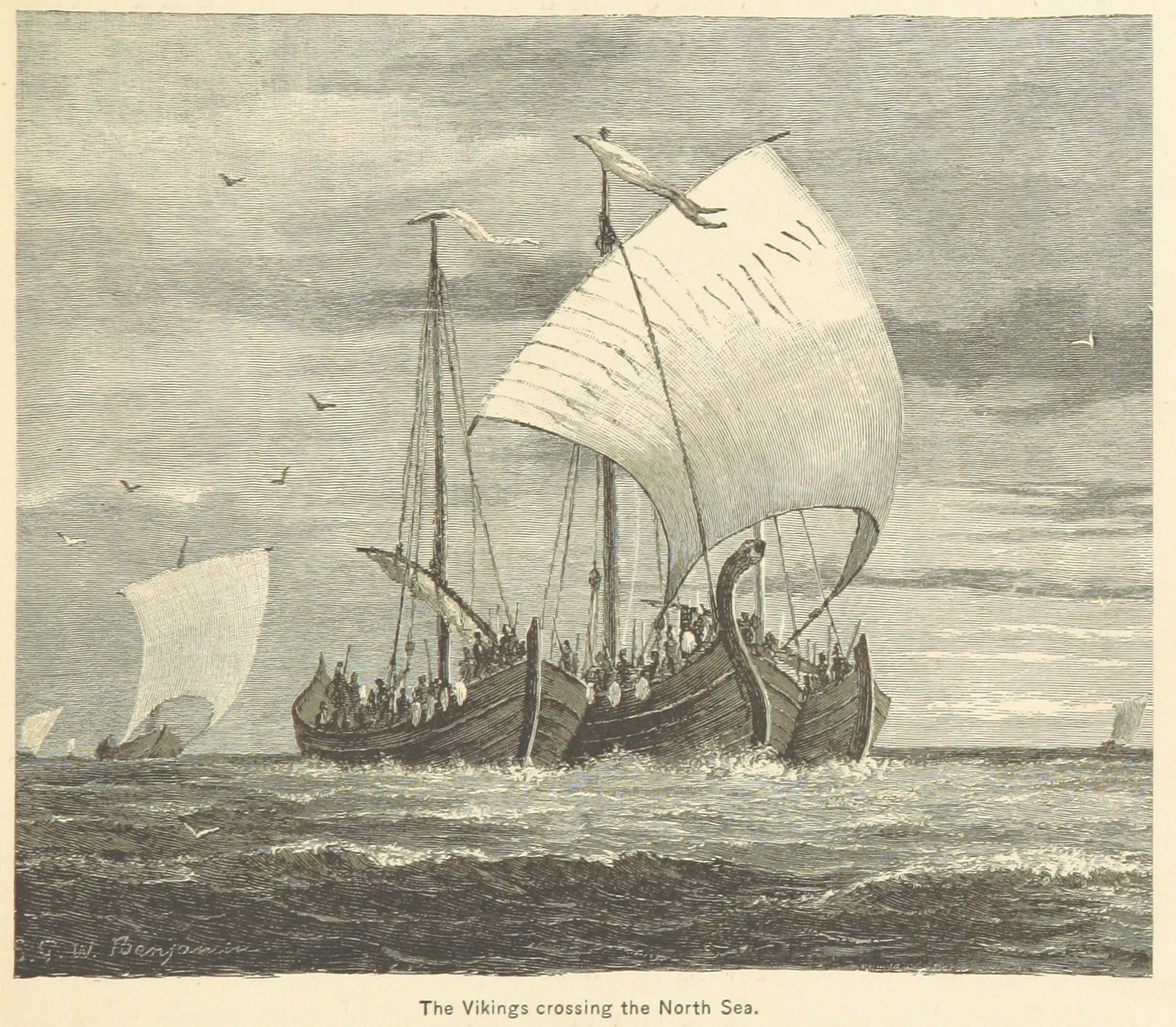
First time period.
The Viking Era is roughly 8th through 11th centuries. Moe (2013) details detailed lab analysis of grave goods from many times and places including multiple BCE sites with evidence of mead using filipendula flowers (meadsweet or meadowsweet) as an additive. I’ve added meadowsweet flowers (tasting notes with scant ¼ cup per gallon from myself and others: floral, green flavors, floral aroma, slight bitterness from flowers) I really liked this. Evidence from Birka (8-10th C. CE) shows honey and filipendula in coprolites (fossilized feces) in situations that suggest this represents mead with filipendula added. Based on this, if I were making a ‘Viking’ mead today it would either be plain mead with no flavors or mead with filipendula. See also the writings of Patrick McGovern; his Ancient Brews covers archaeological based drinks and doesn’t have anything specific to the Viking-era but is generally an informative read.
By geography.
Denmark Norway, and Sweden are included in Olaus Magnus’ 1555 (in Latin) book called a History of the Northern Peoples. This book contains a long segment on mead with multiple recipes. Initial ratios of honey:water of 1:4-6 (less honey in the summer) are boiled (how much is unclear) and the brew is flavored with hops, myrtle, or juniper; sometimes ginger is added (this is noted for a winter drink). Lees of beer, lees of wine, or ‘fermentum’ (likely a sourdough starter) are noted as options for ferment/yeast. Given that customs changed much more slowly at this time, it is not inconceivable that these ingredients were the same as 400 or so years earlier.
I have tried versions of these meads including hops, juniper, and hops/ginger. All 3 turned out well – the hops worked surprisingly well with ginger.
Finally we can look sideways to ‘traditional’ drinks, beer gruit, and general horticulture of the area. This is a complex discussion but can lead to additional possible ingredients such as bog myrtle, juniper, heather, and spruce.
As with many of these historical issues, these few hundred words only scratch the surface, simplifying complex issues into a few words.
BIBLIOGRAPHY
McGovern, Patrick E. 2017. Ancient Brews: Rediscovered and Re-Created. W.W. Norton & Company.ISBN: 978-0393253801Focuses on the early history of fermented drinks as discovered through archaeology evidence and interpreted using scientific techniques. This book focuses on specific discoveries and carries them through to modern recipes.
Magnus. Olaus. 1555. Historia de Gentibus Septentrionalibus. Rome.https://books.google.se/books?id=O9lEAAAAcAAJ.in Latin. Book 13 is on agriculture and food. Chapter 19 starts several chapters on wine, mead, and beer.
Moe, Dagfinn, Klaus Oeggl. 2013. “Palynological evidence of mead: a prehistoric drink dating back to the 3rd Millennium B.C.” Veget Hist Archaeobot 23:515-526. https://www.researchgate.net/publication/272591505 Summarizes information from numerous locations and digs connecting data on pollen content to honey and mead including contents of mead specifically meadowsweet/meadsweet.
Last updated August 16, 2023